Getting Around Bucharest: Metro, Trams, Buses & the Apps Locals Actually Use
Bucharest's public transport isn't glamorous, but it's cheap, extensive, and once you understand the basics, genuinely easy to use. Here's everything you need without wasting your first week figuring it out the hard way.
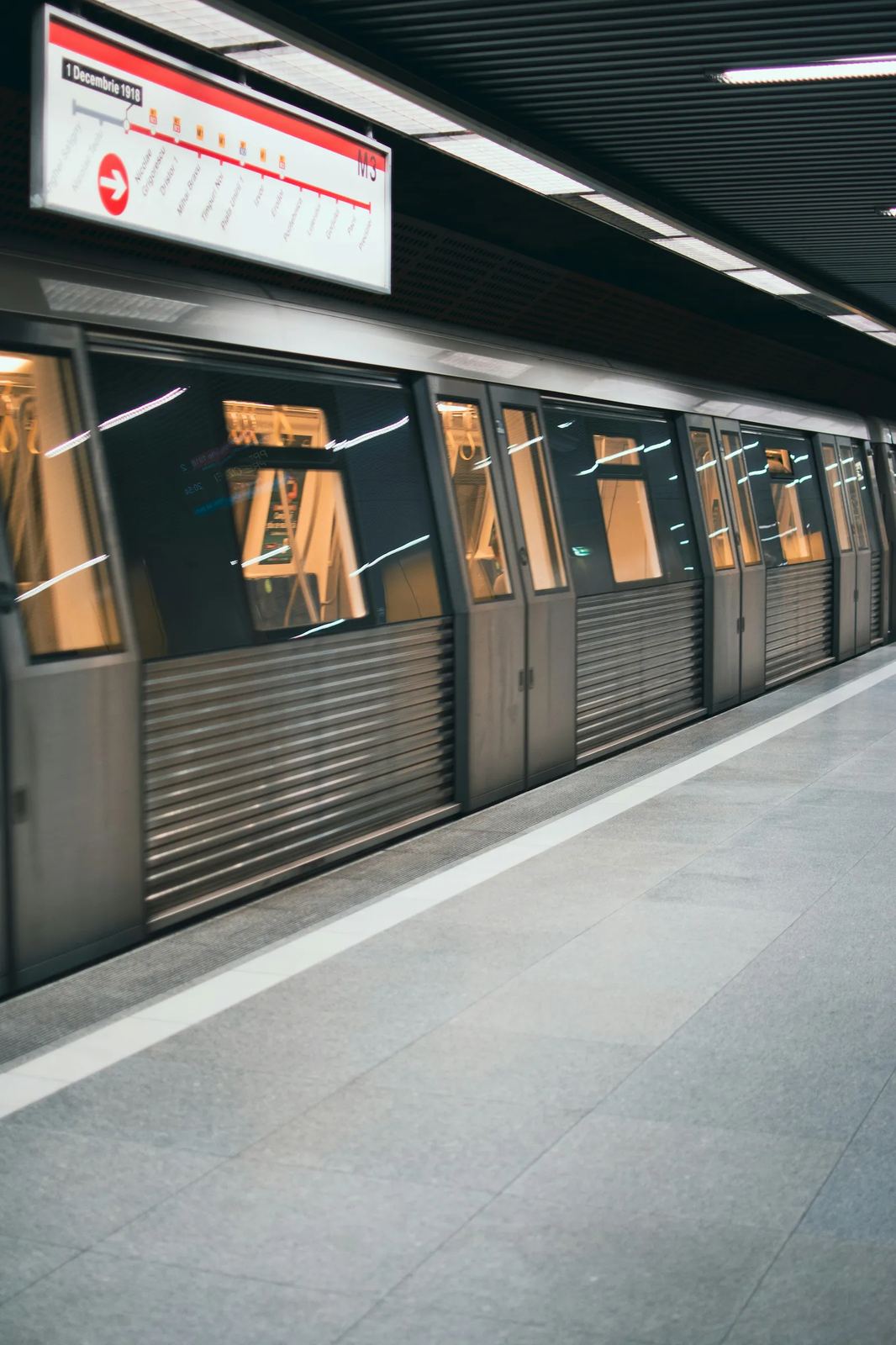
The Two Systems You're Actually Using
Bucharest's transport is split between two separate operators:
- Metrorex runs the metro — five lines (M1–M5), fast, and the best option for longer crossings of the city.
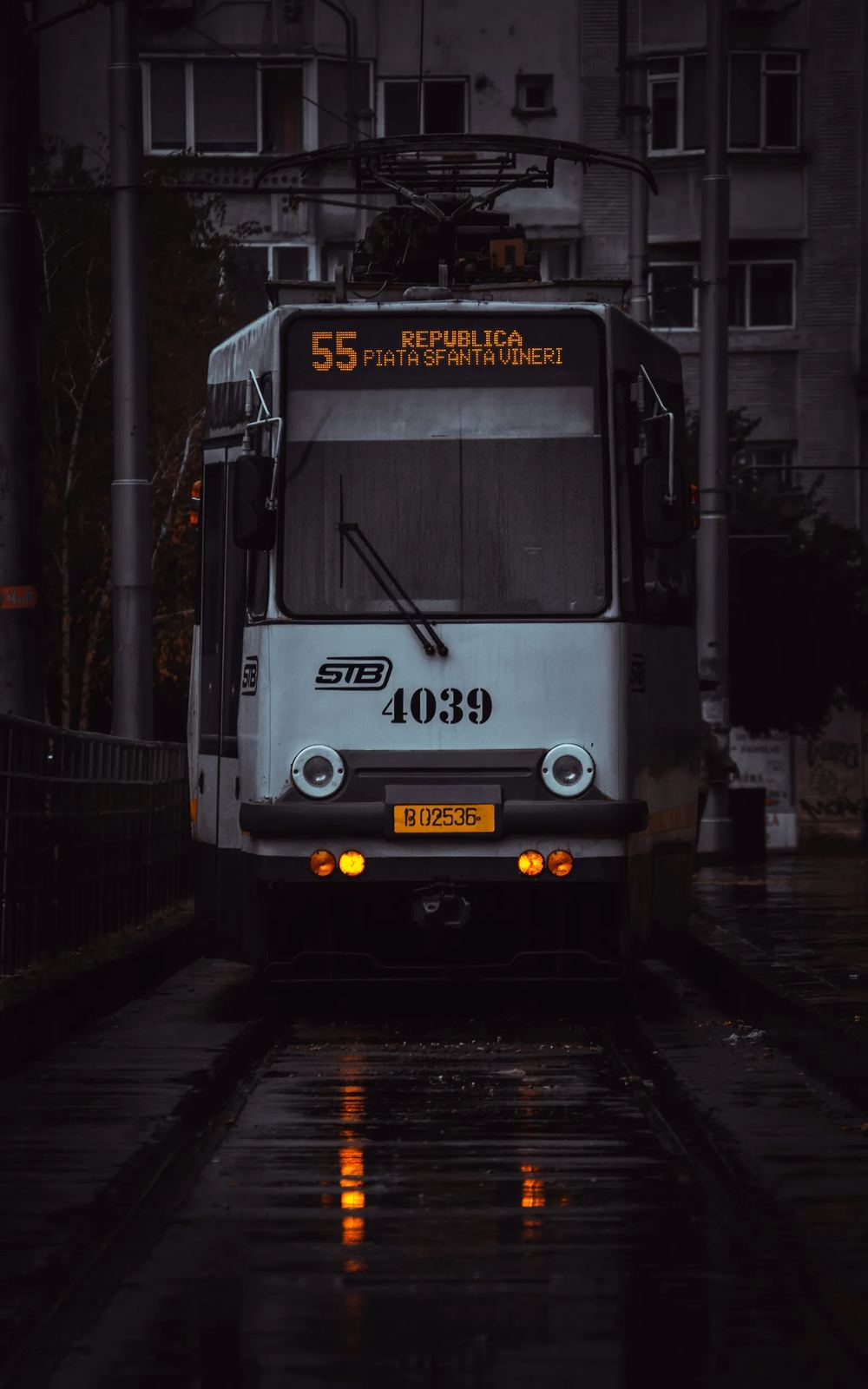
- STB (Societatea de Transport București) runs everything above ground: buses, trams, and trolleybuses.
They're technically separate companies, but the ticketing has been unified enough that in practice, you won't think about it much.
Tickets, Cards & Prices
You have a few ways to pay, from simplest to most local:
- Contactless bank card — just tap at the metro gates or the validator on board a bus/tram. Costs about 3 RON per STB trip or 5 RON per Metrorex trip, deducted automatically. Works with most foreign cards.
- Activ Card — a personal, reloadable card (about 3.7 RON to buy) that you top up at kiosks or online. Worth it if you're staying the full semester.
- Multiplu Card — a non-personal, transferable card, good if you want to share it with a flatmate.
| Ticket | Price (2026) | |
|---|---|---|
| Single trip | STB, 90 min, unlimited transfers | ~3 RON |
| Single metro trip | ~3 RON | |
| Integrated trip | Metro + surface combined | ~7 RON |
| 10-trip card | ~25 RON | |
| Monthly pass | Metro + STB integrated | ~150–160 RON (~€30) |
If you're commuting to class regularly, the monthly pass is the obvious move — it pays for itself within the first couple of weeks. Some universities also offer discounted student passes through their own administration, so it's worth asking your faculty's Erasmus office once you're enrolled.
Validate every time. Whatever you're using, tap it as you board — inspectors do check, and travelling without a validated ticket means an on-the-spot fine.
The Apps Locals Actually Use
Skip trying to memorize bus numbers — everyone here just uses apps:
- Google Maps or Moovit — for planning routes and checking real-time arrivals across metro, bus, and tram. Moovit tends to be slightly more accurate for surface transport.
- STB app / Metrorex app — for buying and reloading your card digitally, and checking metro schedules directly from the source.
- Bolt — by far the most-used ride-hailing app in Bucharest. Cheap, reliable, and the default choice for most locals and students when the weather's bad or it's late at night.
- Uber — also works fine in Bucharest, generally similar pricing to Bolt.
- Yango — a newer, often cheaper alternative that's been gaining traction — worth having as a backup, especially during peak hours.
Practical Tips
- Metro runs roughly 5:00 to 23:00. Plan your night out accordingly, or budget for a Bolt home.
- Buses and trams start earlier and run a bit later, but service thins out a lot after 11pm — this is where ride-hailing apps become genuinely useful.
- Walking is often faster than you'd think in the center. If your apartment is in the Armenian Quarter, Universitate, or Piața Romană, you may only need transport a few times a week.
- Trams and trolleybuses can get crowded during rush hour (roughly 7:30–9:30 and 17:00–19:00) — budget a little extra time if you're commuting then.
- Don't buy tickets from unofficial sellers near stations — stick to official kiosks, machines, or the apps.
The Honest Take: Don't Plan Your Life Around It
Here's the part most guides won't tell you straight: Bucharest's public transport, while cheap, isn't especially efficient. Waits can be long and unpredictable outside of peak hours, connections between different parts of the city often aren't direct, and a trip that looks short on a map can easily eat 30–40 minutes once you factor in transfers and walking to the actual stop.
What this means in practice: where you live matters more than the transport system itself. Rather than assuming you can just "take the metro" from anywhere to anywhere, prioritize walkability when choosing an apartment. If you can reach class, your go-to café, and the nightlife on foot, public transport becomes something you use occasionally for a longer weekend trip — not something you're depending on every single day.
The Neighborhood Shortcut
If your apartment sits in one of Bucharest's central, walkable neighborhoods, most of your daily life — classes, cafés, nightlife, groceries — happens within a 15-minute walk. ErasmusPass places students specifically in those central areas, so your commute is often just... putting your shoes on.
Skip the commute entirely
Our apartments sit in the Armenian Quarter — walking distance to most central universities.