Romanian Traditions and Holidays: What to Expect During Your Semester
Understanding the rhythm of Romanian holidays and traditions will help you make sense of why the city suddenly empties out on certain days, why your Romanian friends might disappear home for a weekend, and why half of Bucharest is wearing tiny red-and-white pins every March. Here's what's actually on the calendar.
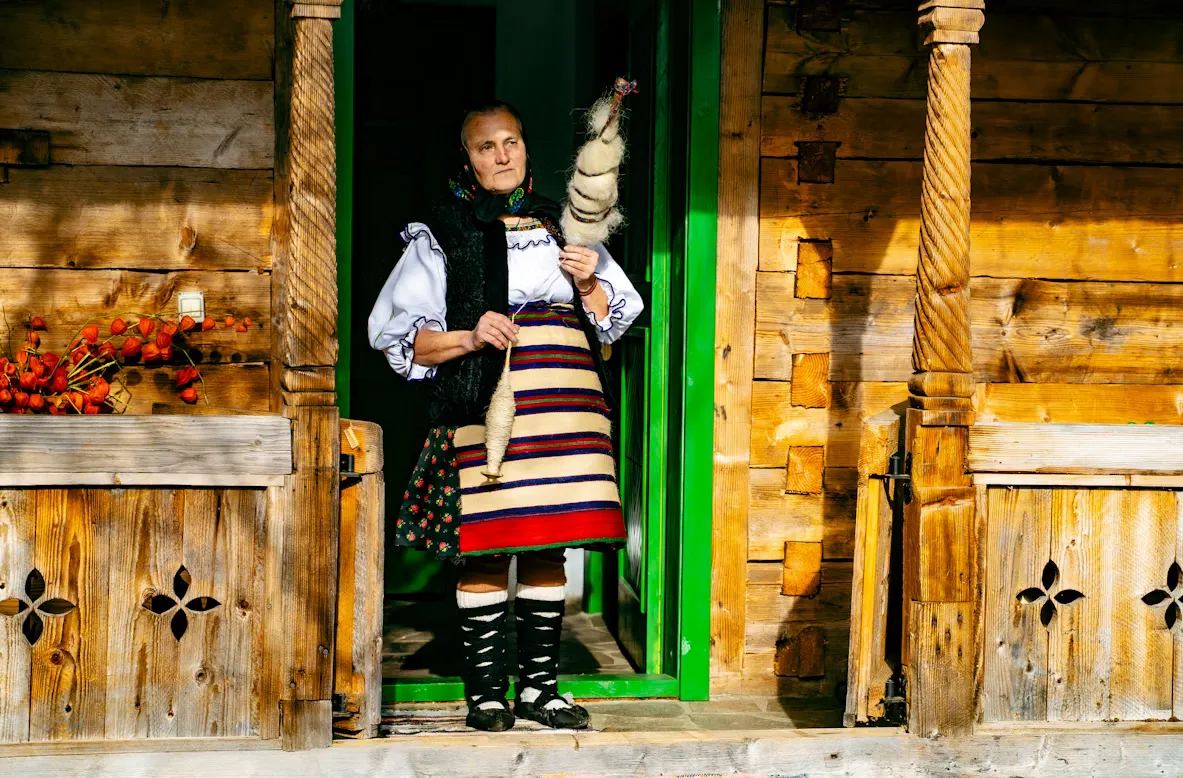
The Main Public Holidays (2026)
| Date | Holiday | What it's about |
|---|---|---|
| Jan 1–2 | Anul Nou (New Year's Day) | Standard New Year's celebration, typically the biggest party night of the year |
| Jan 6 | Boboteaza (Epiphany) | Orthodox tradition marking the baptism of Jesus, often involving the blessing of waters |
| Jan 7 | Sfântul Ioan (St. John the Baptist) | A namesake day for anyone called Ion/Ioana — a hugely common Romanian name, so expect a lot of small celebrations |
| Jan 24 | Ziua Unirii Principatelor Române (Union Day) | Commemorates the 1859 unification of Moldavia and Wallachia — the foundational moment of modern Romania |
| Apr 10 | Vinerea Mare (Good Friday) | Widely observed, though not always an official paid holiday |
| Apr 12 | Paștele (Orthodox Easter) | The single biggest holiday of the year for most Romanian families |
| Apr 13 | A doua zi de Paște (Easter Monday) | Extension of Easter celebrations |
| May 1 | Ziua Muncii (Labour Day) | International Workers' Day |
| May 31 – Jun 1 | Rusaliile (Pentecost) & Ziua Copilului | Pentecost Monday coincides with Children's Day this year |
| Aug 15 | Sfânta Maria Mare | Major Orthodox religious holiday (Dormition of the Mother of God) |
| Nov 30 | Sfântul Andrei (St. Andrew's Day) | Feast day of Romania's patron saint, tied to folk traditions about protection from evil spirits |
| Dec 1 | Ziua Națională a României | Celebrates the 1918 union of Transylvania with Romania — expect a military parade and a lot of flags |
| Dec 25–26 | Crăciunul (Christmas) | Both days are official holidays |
Note that Orthodox Easter doesn't always align with Western Easter dates — it's calculated differently, so don't assume your home country's calendar lines up.
Mărțișor — Romania's Welcome to Spring
If there's one tradition worth knowing before you arrive, it's this one. Every March 1st, Romanians exchange mărțișoare — small trinkets, usually a red-and-white twisted string tied to a charm or flower — as a symbol of welcoming spring and wishing good health and luck. They're traditionally given to women, though the custom has broadened over time. Streets and markets fill with mărțișor stalls in the days leading up to it, and you'll likely be handed one by a Romanian friend without much explanation — now you'll know why.
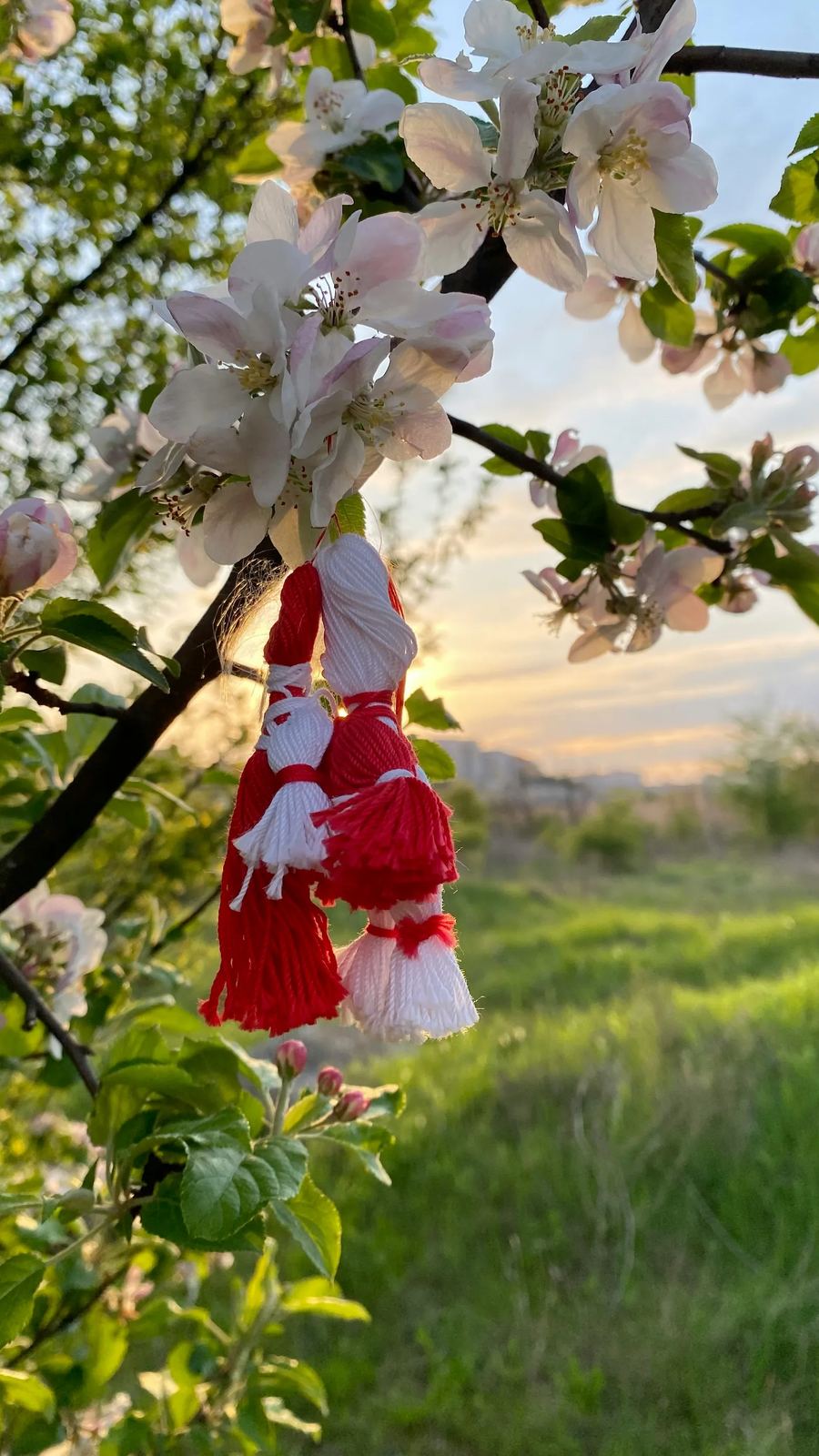
If you've spent time in Bulgaria, this will feel familiar: it's essentially the same custom as the Bulgarian Martenitsa, sharing the same red-and-white color symbolism and the same early-spring timing — one of many small threads connecting the folk traditions of the two neighboring countries.
Dragobete — The Romanian Day of Love
Celebrated on February 24th, Dragobete is sometimes described as the Romanian answer to Valentine's Day, though it's rooted in older folklore — traditionally seen as the day birds pair up for spring, and by extension, a good day for romance and courtship rituals. It's had a real revival in recent years as a counter-celebration to the more commercial February 14th.
Christmas Caroling (Colindatul)
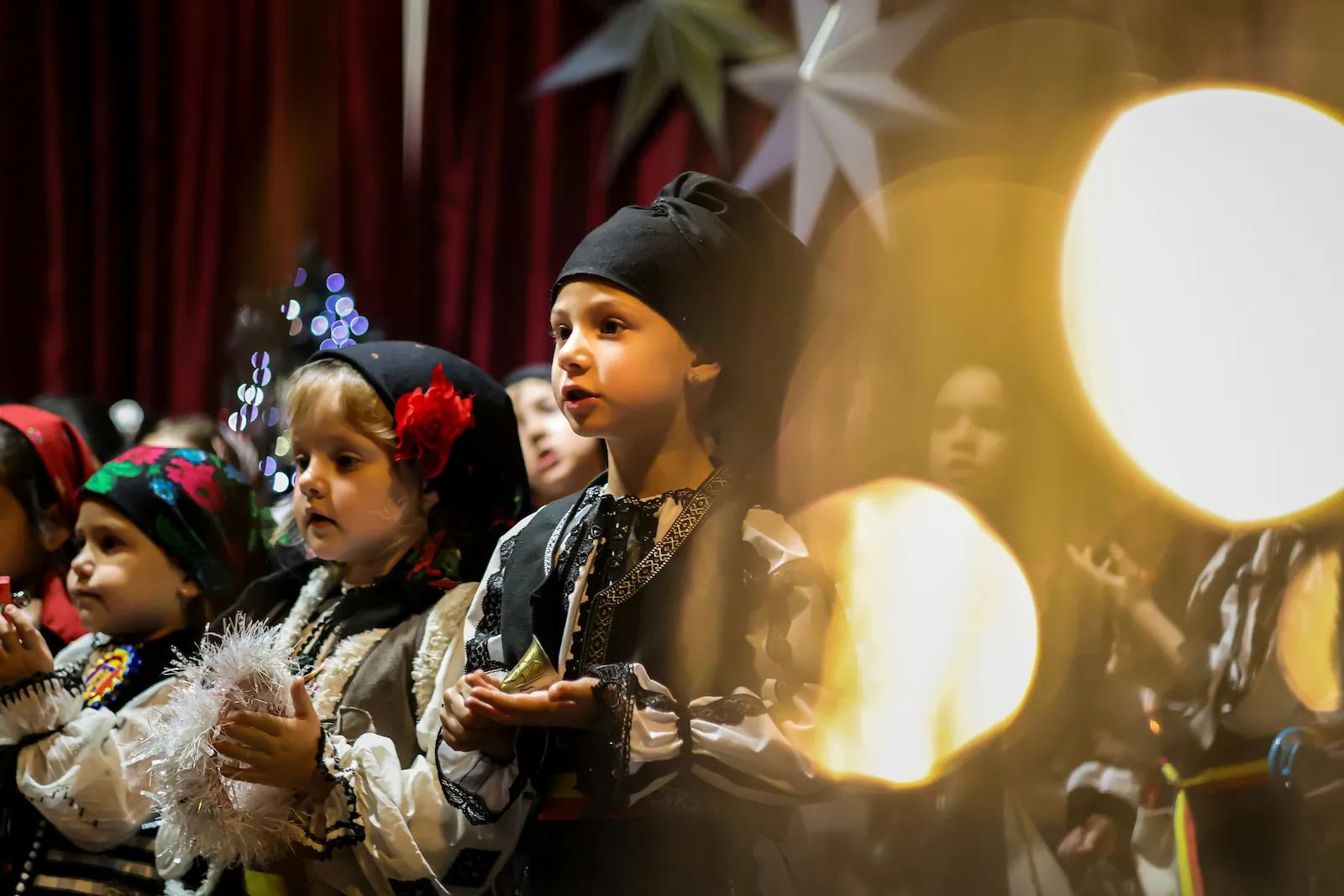
Romanian Christmas traditions lean heavily on colindat — group caroling, often door-to-door, performed by groups of children or young people in the days around Christmas. It's taken seriously enough that Romanian caroling traditions are recognized by UNESCO as part of humanity's intangible cultural heritage. Around New Year's, you may also spot folk performers in elaborate costumes performing the Ursul (Bear Dance) or Capra (Goat Dance) — old agrarian traditions meant to ward off bad spirits for the year ahead, still performed at festivals and public events in Bucharest.
Easter Eggs, Romanian-Style
Around Orthodox Easter, expect beautifully decorated eggs (ouă încondeiate) and a popular game called ciocnitul ouălor — an egg-tapping contest where two people knock their painted eggs together, and whoever's egg doesn't crack is declared the winner. It's taken more seriously than you'd expect.
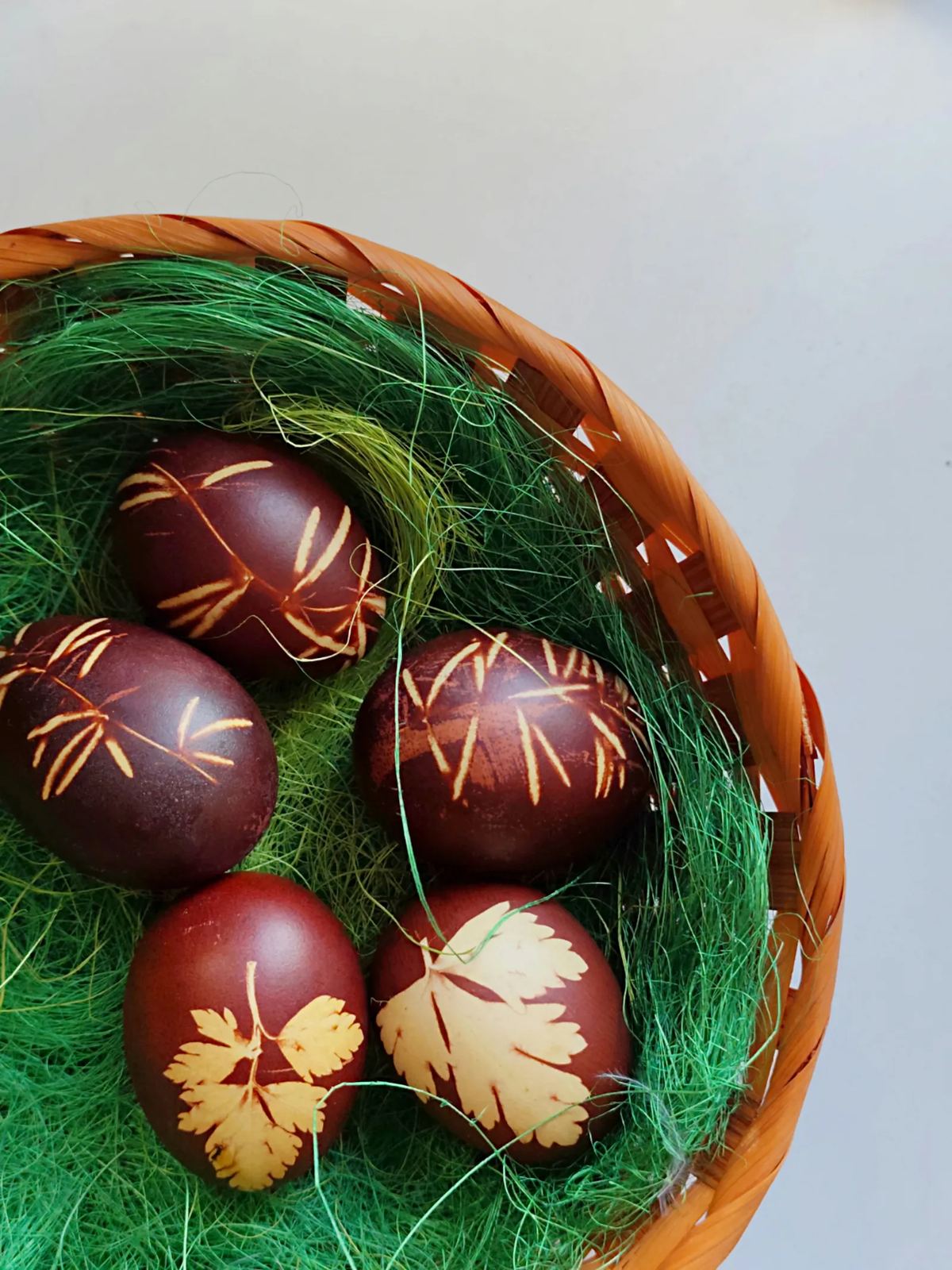
Like mărțișor, this one has a close cousin just across the border: Bulgaria shares almost the exact same Easter egg-tapping tradition, right down to the "whoever doesn't crack wins" rule — another small reminder of how much folk culture the two neighboring countries have in common.
A Small Cultural Note
Romania is a majority Orthodox Christian country, and a lot of its holiday calendar reflects that — but you'll find the traditions themselves (the food, the folk customs, the get-togethers) are widely embraced and enjoyed regardless of individual religious belief, much like Christmas in many secular countries. Don't be shy about asking Romanian friends about a tradition you don't recognize — most people genuinely enjoy explaining it.
Experience It From the Right Spot
Holidays in Bucharest are best experienced from a neighborhood where you can actually walk out into them — a mărțișor market, a Christmas caroling group passing by, a National Day parade. ErasmusPass places you right in the center of the city, so you're never far from wherever the celebration is happening.
Want to be right in the middle of it?
ErasmusPass apartments sit in the center of Bucharest, matched with roommates who'll drag you to whatever's happening that week.